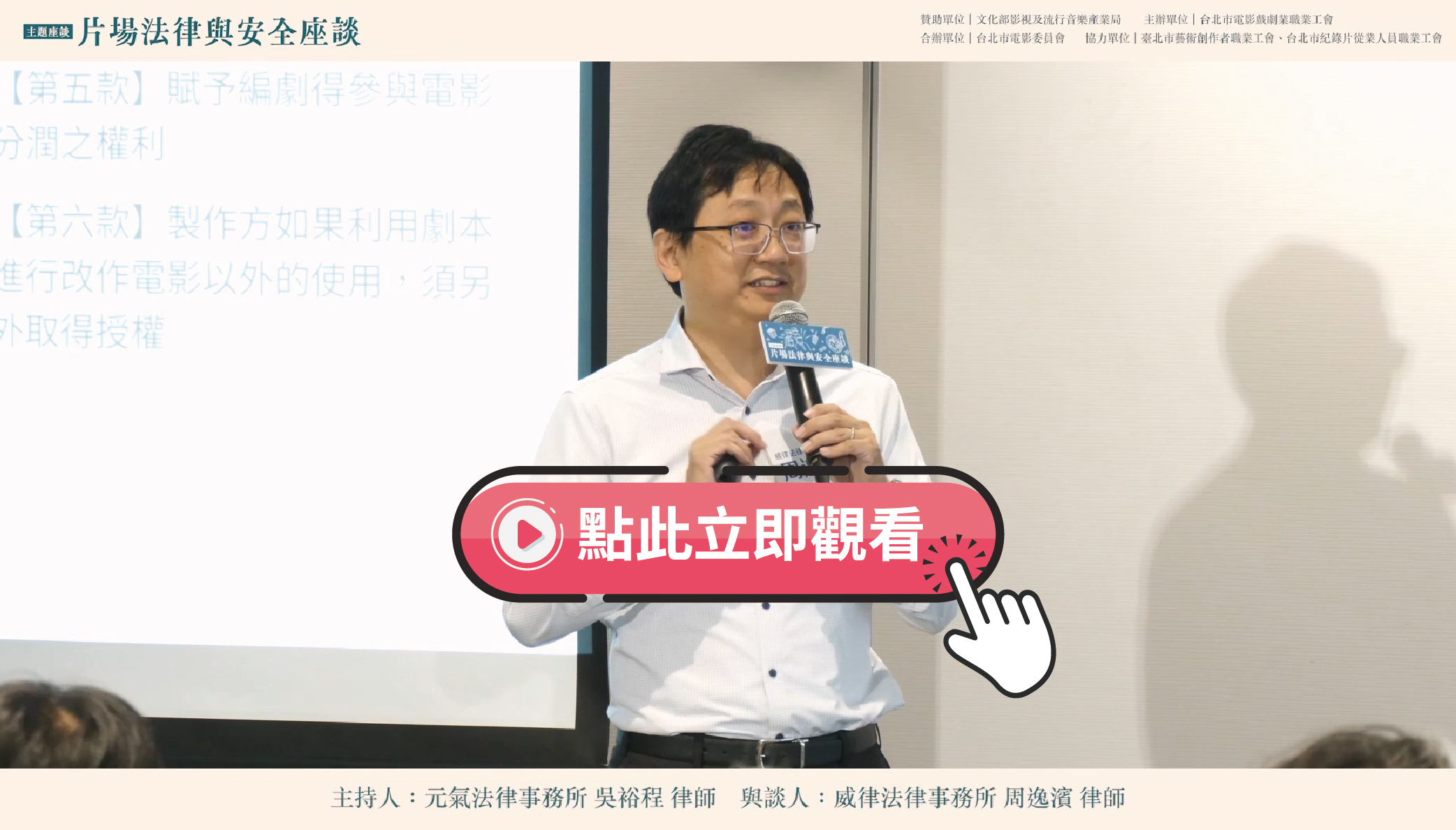


9/9上午【片場法律與安全座談|契約實務】解析影視製片常見契約類型
影視製作中的法律合約與智慧財產權
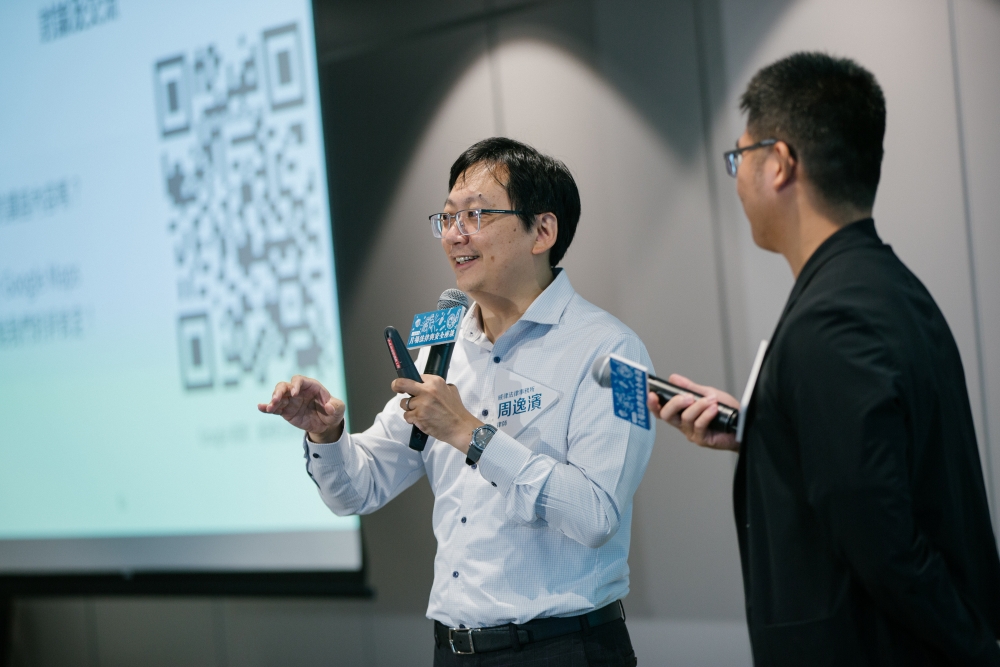
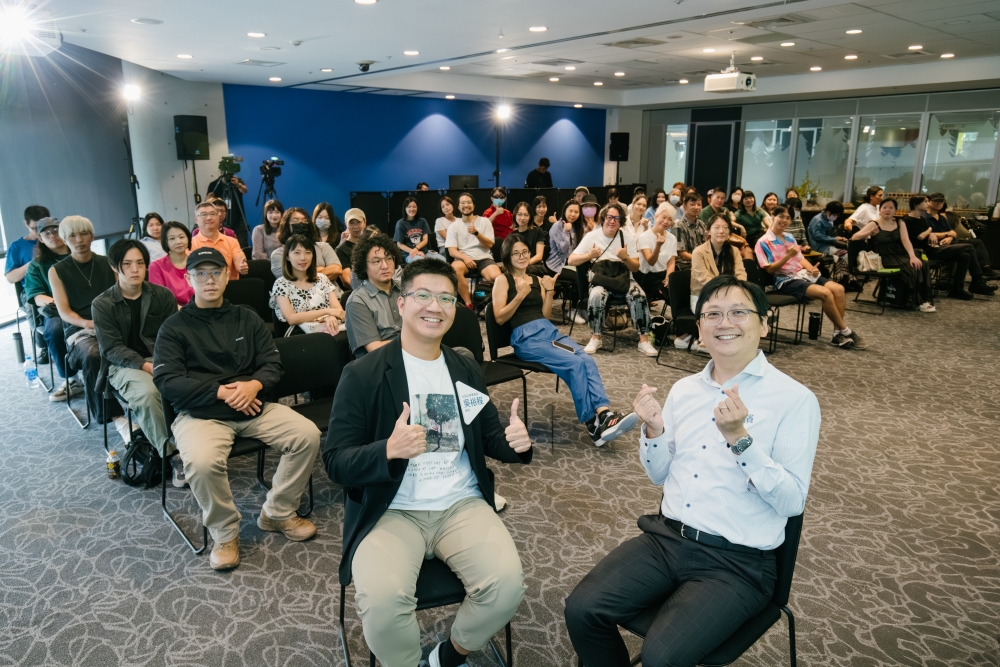
主持人:吳裕程 律師、與談人:周逸濱 律師
三大核心議題:從授權到權利歸屬
從法律視角理解影視創作的脈絡
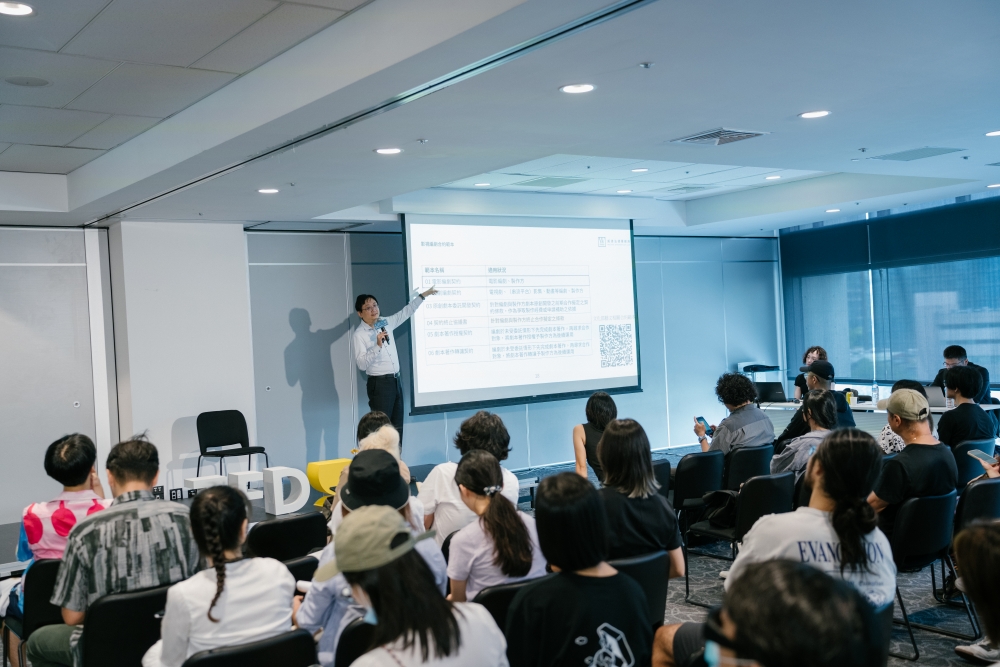
影視產業的創作自由,往往依附在嚴謹的合約與權利保障上才能落實。周逸濱律師此次分享,不僅是冷靜的法律條文解析,更是對影視工作者如何在複雜環境中守護自身權益的深度提醒。
他將講題分為三大主軸:
1.未經授權改作的法律責任與自保機制
2.編劇優先合作權的類型、違約設計與損害計算
3.製作方如何確保著作權歸屬,並在合約中降低風險
周律師特別以電影《目擊者》為案例,點出授權書與著作權歸屬爭議,進一步揭示影視產業最常被忽略卻極具影響力的細節:權利的邊界與定義。
劇本開發:創意與合約的交會點
影視劇本往往不是一氣呵成,而是多位編劇接力完成。周律師提醒,更換編劇在法律上並無問題,但權利是否切割乾淨,卻常成為爭議焦點。
透過文化部的合約範本,他逐一點出常見盲點:
·工作內容定義:除了撰寫劇本,還可能涵蓋田調、宣傳等事項,若未明訂,容易引發爭執。
·履約期程:應設定階段性驗收,避免模糊。
·報酬給付:是分期還是依進度支付,須寫明清楚。
·修改機制:修改次數是否有限?若第三方要求修改,編劇如何保護自身?
他進一步指出,「故事構想」與「劇本著作」在法律上並非同義。單純的概念尚未具體化前,並不受著作權保護,唯有透過明確的書面授權,才能讓權利落實在此基礎上,他提醒 IP 授權已成業界常態,但編劇獲得的權利不得超過製作方本身的原始授權範圍,否則將導致後續糾紛。
資金結構與補助計畫的法律意涵
談及資金面,周律師特別點出文化部「黑潮計畫T-content plan」能幫助製作方降低自籌比例,讓資金結構更為穩定。然而,他也不忘提醒:
·AI 技術的應用需謹慎,若違反規範,恐影響補助資格。
·款項與權利的綁定:著作權的轉讓或授權必須以「款項全數支付」為生效條件。若款項未付清,即便合約終止,著作權也不會自動移轉,這是保障創作者的重要關卡。
現場案例:爭議與解方
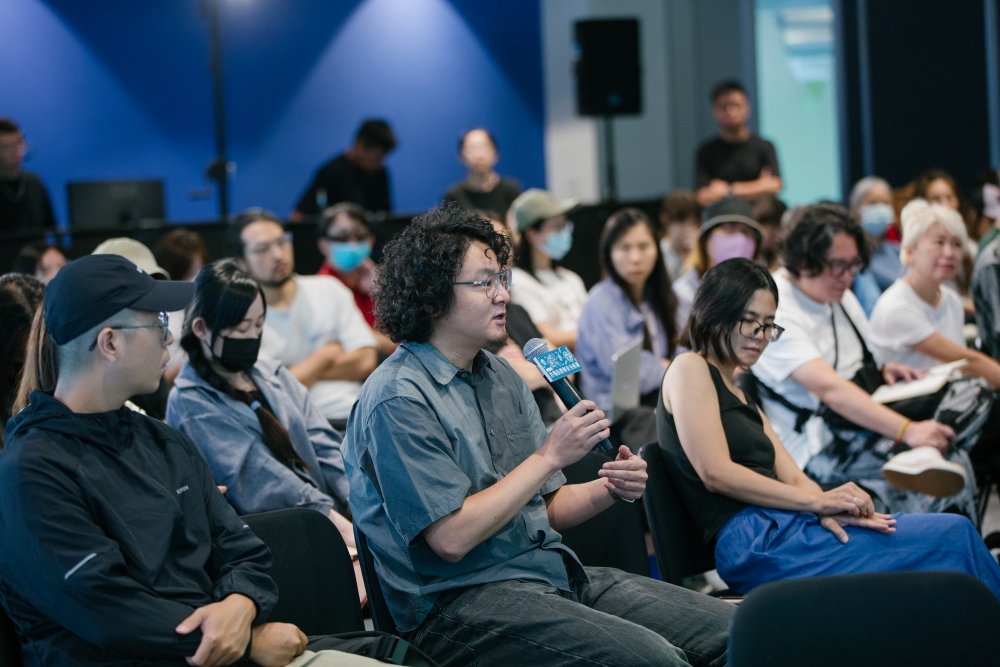
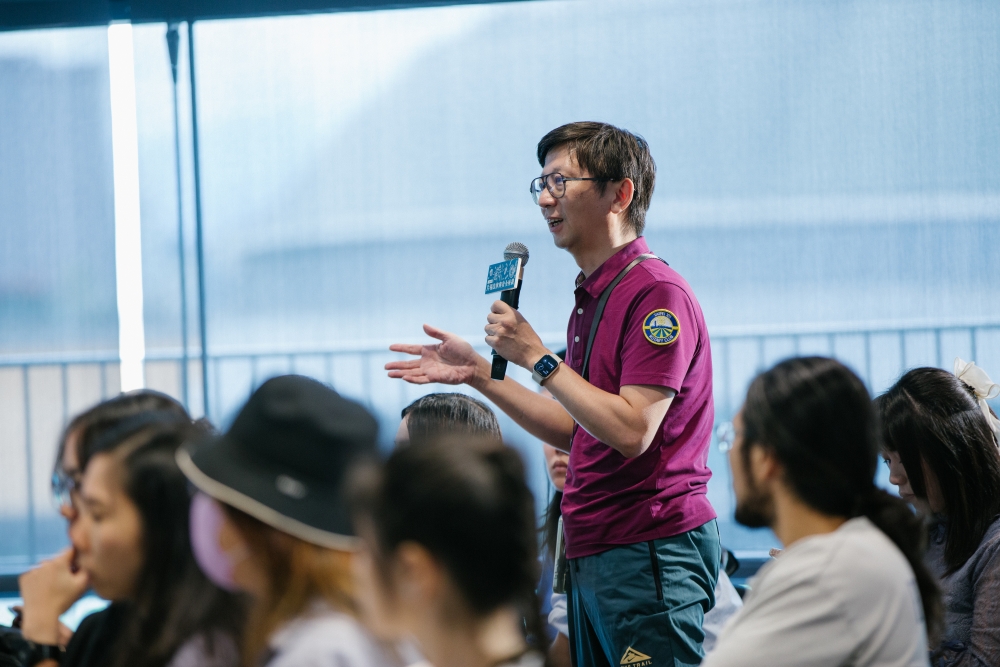
講座中,現場觀眾也提出實務問題,引發熱烈討論:
·社群故事改編:製作公司若直接改寫網友貼文卻未授權,編劇應如何自保?周律師提醒,編劇必須做「源頭查證」,並保留書面紀錄。
·優先合作權的效力:
→優先洽談權 僅保障「優先談判」的機會;
→優先締約權 則賦予編劇更強的保障,若製作方與他人簽約,權利人可主張賠償。
·劇本驗收標準:若劇本與期待差距過大,可能構成「給付有瑕疵」,而不只是創作觀點不同。建議編劇將「完成標準」以文字具體化,確保雙方皆有依循。
主持人吳裕程律師則補充《著作權法》第十二條第三項:即使報酬尚未付清,出資方仍享有利用著作權,但雙方也可例外約定,在款項未付清前不得使用,否則視為侵權。
商標風險與保密協議的重要性
在專案開發初期,田調對象若惡意搶先註冊商標,將造成嚴重影響。周律師指出,雖然商標法有撤銷惡意搶註的規定,但實務上舉證不易。
因此,他強調保密協議的重要性,這不僅能透過民法保障,也可能涉及刑法層面的責任,為創作者多一層防護。
結語:合約的厚度,就是創作的保障
從案例分享與法律解析中可以感受到,周逸濱律師並不僅僅談「條文」,而是站在產業實務的第一線,提醒每位創作者與製作方:
合約設計得越細緻,法律爭議的風險就越低。
影視創作需要靈感與才華,但唯有在法律基礎上妥善鋪墊,作品才能安全抵達觀眾眼前。這不只是冷冰冰的規範,更是一種守護創作熱情與產業永續的厚度。
Legal Contracts and Intellectual Property Rights in Film and Television Production | A Conversation with Attorneys CHOU Yi-Pin and WU Yu-Cheng
Three Core Issues: From Licensing to Ownership
Understanding the Framework of Film and Television Creation from a Legal Perspective
In the film and television industry, creative freedom can only be sustained through rigorous contracts and well-defined rights protection. Attorney CHOU’s presentation went beyond a technical analysis of legal provisions — it served as a deeper reminder for industry professionals on how to safeguard their rights within a complex production environment.
He structured his talk around three main topics:
1.Legal Liability and Self-Protection Mechanisms for Unauthorized Adaptations
2.Types of Writers’ First Option Rights, Breach Clauses, and Damage Calculations
3.How Producers Can Secure Copyright Ownership and Minimize Risks Through Contracts
Attorney CHOU illustrated his points with the case of the film Who Killed Cock Robin, highlighting disputes over authorization letters and copyright ownership. Through this example, he revealed one of the most overlooked yet consequential issues in the film and television industry — the boundaries and definitions of creative rights.
Script Development: Where Creativity Meets Contract
In film and television production, scripts are rarely completed in one go — they are often the result of multiple writers working in succession. Attorney CHOU reminded attendees that while changing screenwriters poses no legal issue, disputes often arise over whether rights have been clearly divided and transferred.
Using the Ministry of Culture’s standard contract as a reference, he highlighted several common blind spots:
·Definition of Work Scope: A writer’s duties may extend beyond scriptwriting to include research or promotional activities. If not clearly specified, these can become sources of dispute.
·Performance Timeline: Contracts should establish phased deliverables and acceptance milestones to avoid ambiguity.
·Payment Terms: Whether compensation is paid in installments or based on progress must be explicitly stated.
·Revision Mechanism: Is there a limit on the number of revisions? If a third party requests changes, how can the writer protect their creative rights?
He further emphasized that a “story concept” and a “scripted work” are not synonymous in legal terms. A simple idea, before being concretely expressed, is not protected by copyright law. Only through explicit written authorization can such rights be legally established.
Building on this, he reminded the audience that IP licensing has become standard practice in the industry, yet a screenwriter’s granted rights cannot exceed the scope of the producer’s original authorization — otherwise, disputes are almost inevitable down the line.
Legal Implications of Funding Structures and Subsidy Programs
When discussing the financial side of production, Attorney CHOU highlighted the Ministry of Culture’s T-Content Plan, which helps producers reduce their self-financing ratio and build a more stable funding structure.However, he also issued several key cautions:
·Use of AI Technology: The application of AI tools must be handled with care — any violation of the program’s regulations could jeopardize eligibility for government subsidies.
·Link Between Payment and Rights: The transfer or licensing of copyright should take effect only after full payment has been made. If the payment is incomplete, the copyright does not automatically transfer even if the contract is terminated. This clause serves as a crucial safeguard for protecting creators’ rights.
Case Studies from the Field: Common Disputes and Practical Solutions
During the session, audience members raised several real-world questions that sparked lively discussion:
·Adapting Social Media Stories:
What if a production company adapts a post from an online user without authorization?
Attorney CHOU advised that screenwriters must verify the source and retain written records to protect themselves legally.
·Effectiveness of “First Negotiation” vs. “First Refusal” Rights:
A first negotiation right only guarantees the opportunity to negotiate first;
whereas a first refusal right provides stronger protection — if the producer signs with another party, the original rights holder may claim compensation.
·Script Delivery Standards:
If a delivered script significantly deviates from expectations, it may constitute defective performance (not merely a creative difference).
CHOU recommended that writers clearly define the completion criteria in writing, ensuring both parties share the same understanding and reference point.
Moderator and attorney WU added a key clarification from Article 12, Paragraph 3 of the Copyright Act: Even if the remuneration has not been fully paid, the investor (or commissioning party) still retains the right to use the work. However, the parties may agree otherwise — for instance, stipulating that the work may not be used until full payment is made. If the commissioning party violates such a clause, their use of the work constitutes infringement under the law.
Trademark Risks and the Importance of Non-Disclosure Agreements
In the early stages of project development, there is always a risk that interviewees or research participants might maliciously pre-register a trademark, causing serious disruption to production.
Attorney CHOU noted that while the Trademark Act provides mechanisms to revoke such bad-faith registrations, in practice it is often difficult to prove malicious intent.
He therefore emphasized the importance of signing a Non-Disclosure Agreement (NDA) during development. An NDA not only offers protection under civil law, but may also invoke criminal liability if confidentiality is breached — adding an extra layer of legal security for creators.
Conclusion: The Depth of a Contract Reflects the Strength of Creative Protection
Through real-world cases and legal analysis, Attorney CHOU reminded attendees that he is not merely interpreting statutes, but speaking from the frontlines of industry practice: “The more detailed the contract, the lower the risk of legal disputes.”
Film and television creation depend on inspiration and talent — but only with a solid legal foundation can a work safely reach its audience.
Contracts, in this light, are not cold restrictions; they are the framework that safeguards creative passion and sustains the future of the industry.
📌資訊
名稱:片場法律與安全座談
日期:2025年9月9日(二)~9月10日(三)
地點:臺北文創F廳(台北市信義區菸廠路88號6樓)
主辦:台北市電影戲劇業職業工會
🕒 時間表
📅 9/9(二)多功能 F 廳
10:00–12:00
解析影視與常見契約類型
主持人:元氣法律事務所 吳裕程 律師
與談人:威律法律事務所 周逸濱 律師
13:00–16:00
IP 改作契約擬定與規劃製片契約擬定與規劃:「影視投資」、「跨國合製」、「宣傳傳發行與國際銷售」
主持人:吳裕程 律師
與談人:張煒珍(電影製片)📅 9/10(三)多功能 F 廳
10:00–12:00
片場安全實戰,現在開始
主持人:吳裕程 律師
與談人:陳克勤(攝影師)、陳啓政(職業安全衛生業務主管)
13:00–16:00
打造災變場景的安心保壘:安全防護與周全規劃
主持人:吳裕程 律師
與談人:許佳明(電影《96分鐘》製片、張亨如(《噬罪者》《模仿犯》導演、林纯羽《哈勇家》《只要我長大》執行製片